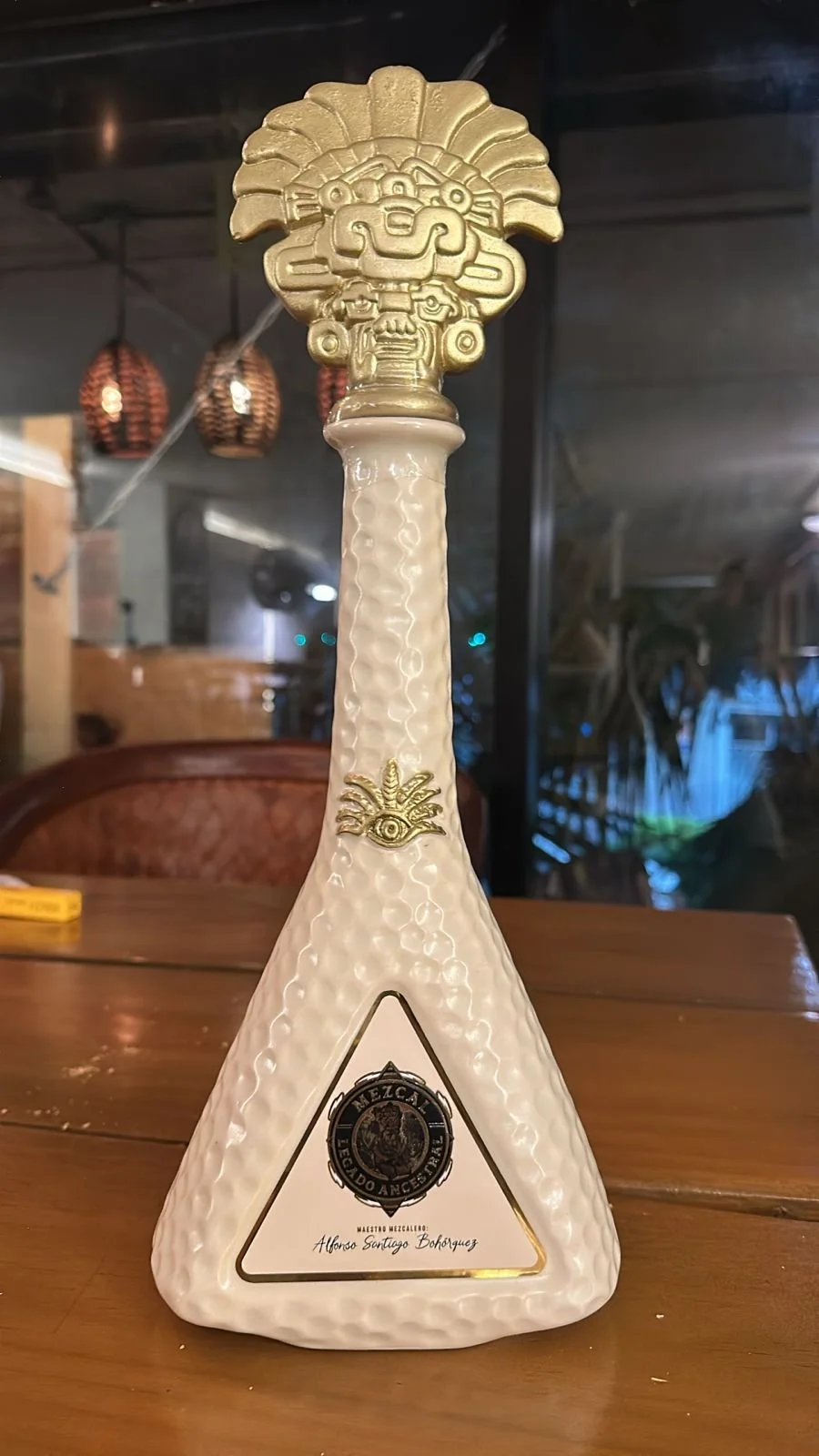
Espadin
Espadín Joven mezcal stands as a traditional and captivating representation of Oaxacan artisan drink. This spirit is deeply rooted in local craftsmanship and highlights the unique qualities of mezcal produced from Agave angustifolia, known for its sustainability and versatility.
Production and Origin
Originating primarily in Oaxaca, Mexico, Espadín mezcal is the most prevalent type, accounting for the majority of mezcal production. The agave plants used in crafting Espadín Joven typically require 7 to 12 years to reach maturity, a testament to the patience and expertise of local producers.
Flavor Profile
Espadín mezcal, produced from Agave angustifolia, is the most common, sustainable, and versatile mezcal, accounting for the vast majority of production, primarily in Oaxaca, Mexico. It typically matures in 7–12 years, yielding a balanced, slightly smoky, and herbaceous flavor profile often featuring notes of citrus, red apple, and cooked agave.
Generally balanced, sweet, and herbaceous, with common notes of citrus, red apple, caramel, coffee, and a mild, earthy smoke.
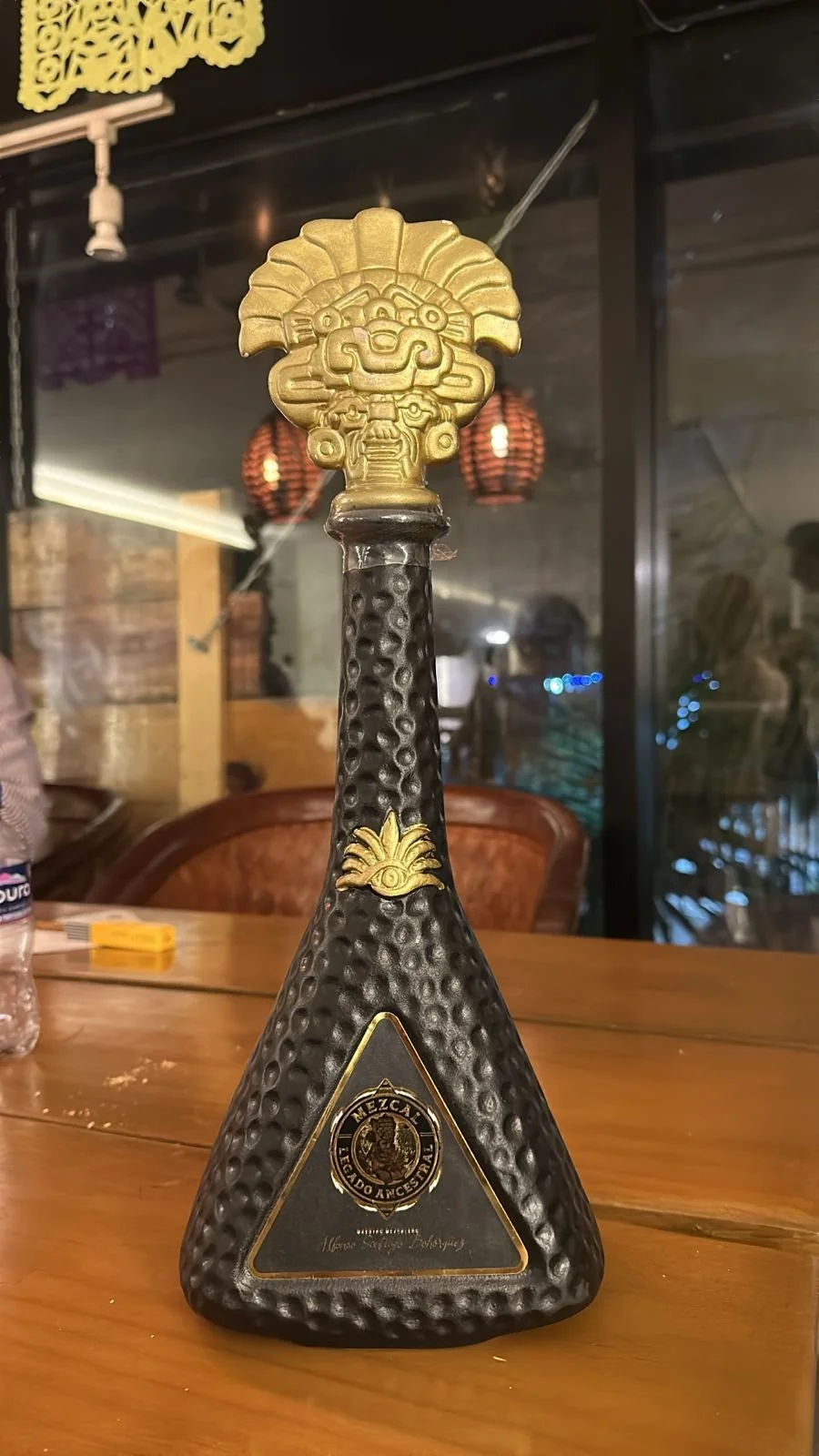
Madrecuishe
Madrecuishe is a rare variety of agave that is wild-harvested in Oaxaca, Mexico. This species, scientifically known as Agave karwinskii , matures over a span of 8 to 20 years.
Product and Origin
originates from Oaxaca, Mexico, primarily produced in regions like Santiago Matatlán and Miahuatlán. It is crafted from the wild Agave karwinskii, a tall, stalk-like agave known for its dense, fibrous piña. Production involves traditional methods, including cooking in earthen pits and copper pot distillation.
Flavor Profile
is renowned for a complex, elegant profile characterized by intense minerality, vegetal, and floral notes. Common tasting notes include wet stone, cedar, cucumber, and citrus (orange peel), often accompanied by a creamy or buttery mouthfeel and a subtle, smoky finish. It is typically sweet on the palate, with nuances of walnut, green pepper, and herbaceous aromas like fresh herbs or fennel.

Tepextate
Tepextate (Agave marmorata) stands out as a highly esteemed wild-harvested agave, celebrated for its use in producing premium mezcal. Its rarity and distinct characteristics have made it a sought-after plant among mezcal enthusiasts.
Product and Origin
s a wild, slow-maturing agave variety primarily native to the rocky, arid cliffs of Oaxaca, Mexico. It is a highly sought-after, rare mezcal known for complex, intensely herbal, and floral flavors. The plant takes 20–35 years to reach maturity, leading to small yields and high-value, artisanal production.
Flavor Profile
Mezcal crafted from Tepextate is recognized for its bold, vegetal, and spicy flavors. These distinct notes are a direct reflection of the plant’s unique growing conditions and long maturation period, offering a complex and memorable tasting experience.
Regional Varieties and Nomenclature
It is important to distinguish Tepextate from similar agave varieties found within Oaxaca. For example, the plant referred to as Tepextate in much of Oaxaca differs from the Pichumetl or Pichomel variety. Pichumetl or Pichomel grows in both wild and cultivated settings in the Mixteca regions of Oaxaca and Puebla, where the marbled-leaf varietal is frequently cultivated for pulque rather than mezcal.
Understanding these distinctions is essential, as the colloquial names applied to agave plants are often highly localized, reflecting specific cultural and linguistic backgrounds. These names embody the deep relationship between the local communities and the agave plants they harvest and cultivate.